Understanding Skin Quality and Why It Changes
Microneedling vs skin boosters is one of the most common comparisons patients make when looking to improve skin quality. The challenge is that “skin quality” is often misunderstood. It is not a single concern, but a combination of texture, hydration, elasticity, tone, and overall skin function. As we age, collagen production declines, fibroblast activity slows, and the skin’s ability to retain moisture reduces. This leads to dullness, fine lines, laxity, and uneven texture.
Both medical microneedling and skin boosters are designed to improve skin quality, but they work in fundamentally different ways. One stimulates the skin to repair itself through controlled injury. The other supports hydration and dermal function from within. They are not interchangeable, and in many cases, they are most effective when used together as part of a structured, consultation-led plan.
At Takroni Clinic, treatment decisions are based on skin physiology, not trends. Understanding how each treatment works is key to achieving meaningful, long-term improvement.
What Is Medical Microneedling?
How Microneedling Works at a Cellular Level
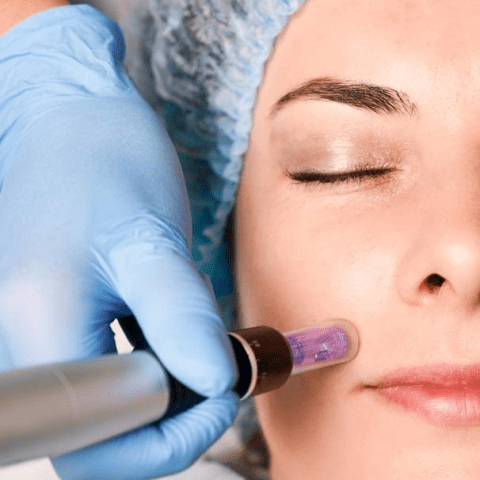
Medical microneedling is a controlled, clinical procedure that creates thousands of micro-channels within the skin. With our skinpen device you get 98,000 channels in the skin per minute. These micro-injuries trigger a wound-healing response, stimulating fibroblast activity and increasing collagen and elastin production.
This process supports skin remodelling at a deeper level, improving dermal density and strengthening the extracellular matrix. Over time, this leads to smoother, firmer, and more resilient skin.
What Microneedling Is Best For
Microneedling is particularly effective for concerns linked to structural changes in the skin. This includes uneven texture, acne scarring, enlarged pores, and fine lines. It works by improving the skin’s architecture rather than simply adding hydration.
It is also commonly used as part of a regenerative treatment plan, especially when combined with therapies such as polynucleotides or exosomes to enhance tissue repair.
Limitations of Microneedling
Microneedling is not primarily a hydrating treatment. While it can improve overall skin function, it does not directly address dehydration or impaired barrier function in the same way injectable treatments can.
Results are also gradual. Most patients require a course of 3-6 treatments, typically spaced four weeks apart, to see consistent improvement. It is not a single-session solution.
What Are Skin Boosters?
How Skin Boosters Improve Hydration and Skin Function
Skin boosters are injectable treatments designed to improve dermal hydration and skin elasticity. Most are based on hyaluronic acid, a molecule naturally found in the skin that binds water and supports hydration, often combined with vitamins, antioxidants and amino acids.
Unlike dermal fillers, skin boosters do not add volume or change facial structure. Instead, they improve skin quality by enhancing moisture levels within the dermis, supporting barrier function and reducing trans-epidermal water loss.
Types of Skin Boosters Including Polynucleotides
There are several categories of skin boosters. Traditional hyaluronic acid boosters focus on hydration and skin smoothness. Polynucleotides and exosomes, however, take a more regenerative approach.
Polynucleotides are derived from DNA fragments and work by stimulating fibroblast activity, promoting tissue repair, and supporting cellular regeneration. Exosomes are membrane bound vesicles which act as intracellular messengers to facilitate cellular healing and repair.
This makes them particularly useful for improving skin integrity and resilience.
What Skin Boosters Are Best For
Skin boosters are best suited to patients experiencing dehydration, crepey skin, early laxity, or a dull complexion. They improve how the skin functions, and hydration levels, rather than resurfacing it.
They are also effective for areas where the skin is thinner or more delicate, such as around the eyes or neck.
Limitations of Skin Boosters
Skin boosters do not significantly improve surface texture or deep acne scarring. They do not resurface the skin or reduce pore size in the same way microneedling can.
A course of 3 treatments is required followed by maintenance sessions every 3-6 months.
Microneedling vs Skin Boosters: Key Differences Explained
Collagen Stimulation vs Hydration
The most important distinction in the microneedling vs skin boosters comparison is mechanism. Microneedling stimulates collagen production through controlled injury. Skin boosters improve hydration and dermal function by introducing supportive substances into the skin.
Both contribute to skin quality, but through different biological pathways.
Surface Texture vs Internal Skin Function
Microneedling is more effective for improving surface-level concerns such as rough texture, acne scarring, and fine lines. Skin boosters, on the other hand, improve internal skin function, enhancing hydration, elasticity, and overall appearance of skin health.
Treatment Depth and Mechanism
Microneedling works by penetrating the skin with fine needles to stimulate repair. Skin boosters are injected into the dermis, delivering active ingredients directly where they are needed.
This difference in delivery method is key to understanding their respective benefits.
Speed of Results and Longevity
Skin boosters often provide quicker visible improvements in hydration and glow. Microneedling results develop more slowly but tend to have longer-lasting structural benefits due to collagen production.
Where Polynucleotides Fit Into the Conversation
Polynucleotides sit between microneedling and traditional skin boosters. They are injectable, like skin boosters, but their primary function is regenerative rather than purely hydrating.
By stimulating fibroblast activity and supporting tissue repair, they improve skin quality at a cellular level. They are often used alongside microneedling to enhance collagen stimulation and accelerate recovery.
This makes them a key part of a regenerative aesthetics approach, where the focus is on improving how the skin behaves over time rather than delivering short-term results.
Can You Combine Microneedling and Skin Boosters?
The Regenerative Treatment Approach
Combining microneedling and skin boosters is often the most effective way to improve skin quality. Each treatment addresses different aspects of skin ageing and dysfunction.
Microneedling improves structure and texture. Skin boosters improve hydration and skin function. Polynucleotides support regeneration and repair.
Why Combination Treatments Deliver Better Results
A combined approach allows for a more comprehensive treatment plan. Structural improvement, hydration, and cellular repair work together to enhance overall skin integrity.
This layered strategy is central to achieving natural, long-term results rather than temporary improvements.
The Role of Medical-Grade Skincare in Skin Quality
In-clinic treatments alone are not enough to maintain skin quality. Medical-grade skincare plays a critical role in supporting and prolonging results.
Retinoids stimulate collagen production. Antioxidants protect against environmental damage. Daily SPF prevents further collagen breakdown and pigmentation.
Without a consistent at-home routine, the benefits of microneedling and skin boosters are limited. Skincare should be seen as the foundation of any treatment plan.
Which Treatment Is Right for You?
Choosing between microneedling and skin boosters depends on several factors, including skin condition, age, lifestyle, and treatment goals.
Patients with acne scarring or uneven texture may benefit more from microneedling and our wide range of lasers. Those with dehydration may see better results with skin boosters and adjustments to their at home skincare. Many will require a combination of both.
There is no single “best” treatment. The right approach is one that is tailored to the individual.
Why a Consultation-Led Approach Matters
A consultation-led approach ensures that treatment decisions are based on clinical assessment rather than trends or assumptions.
At Takroni Clinic, skin is assessed in detail before any treatment is recommended. This allows for a personalised plan that addresses the underlying causes of skin concerns, not just the visible symptoms.
This approach leads to more predictable, natural-looking results and supports long-term skin health.
Final Thoughts: Improving Skin Quality Requires Strategy, Not a Single Treatment
The microneedling vs skin boosters debate is often framed as a choice between two options. In reality, improving skin quality is rarely about choosing one treatment over another.
It requires a strategic, regenerative approach that combines the right treatments at the right time, supported by consistent skincare and ongoing assessment.
Skin quality improves when structure, hydration, and cellular function are addressed together. This is where meaningful, lasting results are achieved.
FAQs
Is microneedling or skin boosters better for skin quality?
They address different aspects of skin quality. Microneedling improves structure and texture, while skin boosters improve hydration and function. Many patients benefit from combining both.
Do skin boosters actually improve skin long term?
They improve hydration and elasticity, but results are temporary. Long-term improvement requires maintenance and a broader treatment plan.
Can microneedling replace injectable treatments?
No. Microneedling cannot provide the same level of hydration or dermal support as injectable treatments.
Are polynucleotides better than skin boosters?
They are different. Polynucleotides focus on regeneration and repair, while traditional skin boosters focus on hydration.
How many sessions are needed for visible results?
For both microneedling and skinboosters a course of treatments is required followed by maintenance every 3-6 months.